
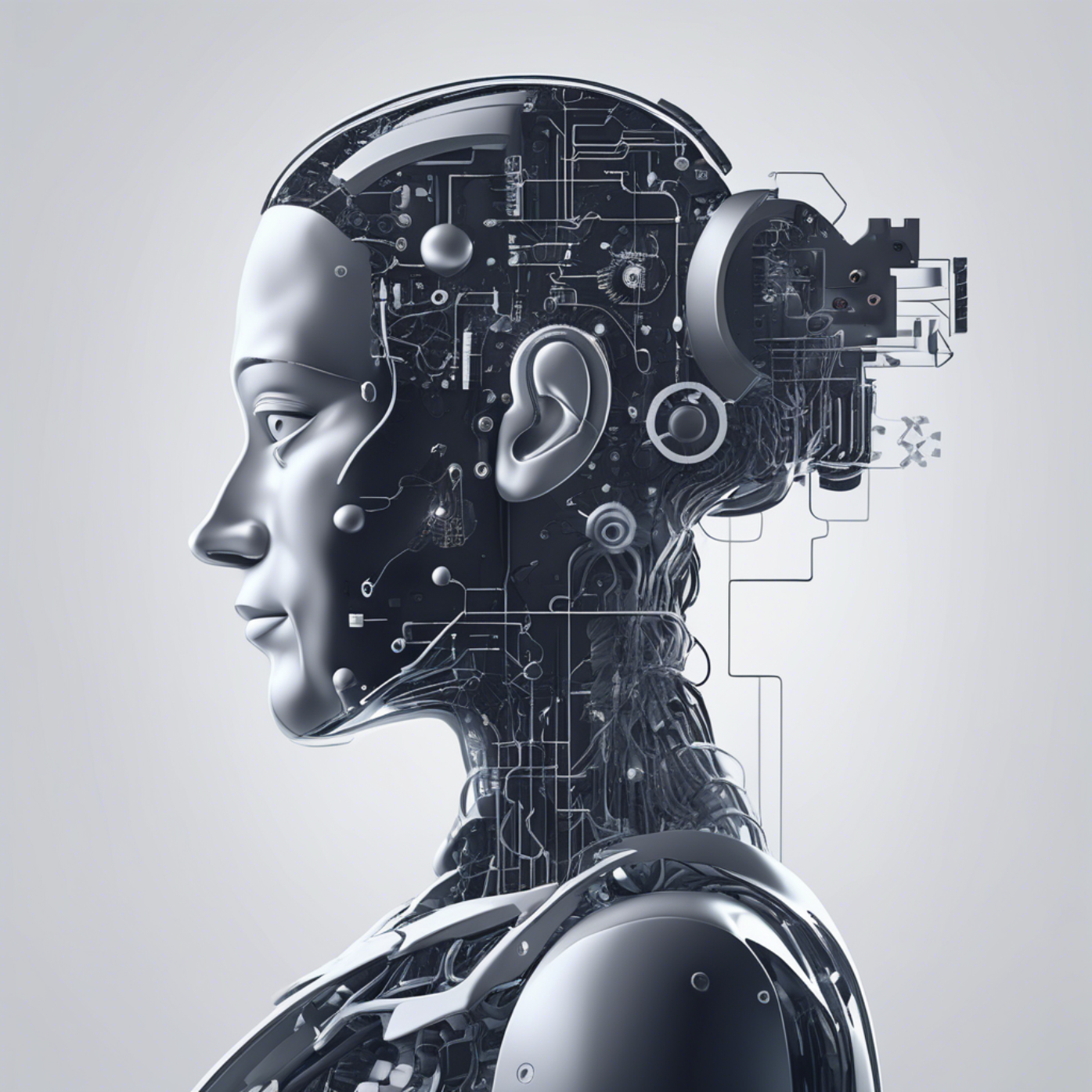
Artificial Intelligence has evolved at an unprecedented pace. From rule-based expert systems to today’s dynamic machine learning models, AI is no longer just a tool—it’s becoming an active agent capable of independent action. The latest trend that's making waves in the tech world is agentic AI—AI systems that can take initiative, perform multi-step reasoning, and execute tasks with limited human oversight.
While tools like ChatGPT and Gemini are examples of conversational intelligence, the next step in AI evolution is software that doesn’t just respond but actively decides what to do next. This evolution demands a new breed of developers—specifically, the ai programmer who can build, refine, and manage these complex systems.
What Are Agentic AI Systems?
Agentic AI systems are designed to be autonomous problem solvers. Unlike traditional models that require direct prompts or instructions for each task, agentic systems can plan, prioritize, and perform multiple tasks on their own. Think of it like an AI assistant that not only replies to your query but also schedules a meeting, books your flight, and sends follow-up emails—without being explicitly told to do so at every step.
These systems combine multiple AI capabilities:
Natural language processing
Task decomposition
Memory and long-term planning
Reinforcement learning
Real-time decision-making
This makes them more powerful, but also significantly more complex to develop.
Why AI Programmers Are at the Heart of This Shift
Building agentic systems requires expertise far beyond traditional web or app development. The ai programmer must not only understand core programming principles but also how to integrate multiple AI models, maintain ethical guardrails, and optimize performance across diverse environments.
Companies across finance, healthcare, retail, and logistics are increasingly looking to hire AI programmer professionals who can navigate this emerging landscape. Whether it's building autonomous trading agents or AI-powered medical assistants, the demand is only growing.
A Real-World Use Case: AutoGPT and Beyond
AutoGPT was one of the first publicly popularized agentic AI frameworks. It combined GPT-4 with a memory system and long-term planning logic to complete multi-step goals. For instance, a user could type: “Create a marketing strategy for a new product launch,” and AutoGPT would generate an entire campaign—complete with a timeline, content strategy, and budget estimation.
While AutoGPT itself is still in its early stages and often hits limitations, it represents the direction where AI development is heading. Companies are now building private versions of such tools tailored to their unique needs.
This is where the ai programmer plays a crucial role—tuning models, embedding safety protocols, and ensuring efficiency in environments where failure is not an option.
Key Skills Every AI Programmer Should Master
If you're considering a career or upskilling in AI, these are the capabilities you’ll need to thrive in the agentic AI ecosystem:
Multi-agent orchestration: Understanding how different models or agents can work together cooperatively.
Prompt engineering and chaining: Crafting sequences of interactions to achieve complex outcomes.
Data pipeline development: Structuring clean, secure, and real-time data flows for models.
Model fine-tuning: Adjusting pre-trained models for specific domains or tasks.
Ethical AI practices: Designing with fairness, transparency, and accountability in mind.
The intersection of programming and cognitive modeling is now a key area of innovation, and those who master it will be in high demand.
Trends Driving the Demand for AI Programmers
Open-source innovation: Tools like LangChain, LlamaIndex, and CrewAI have made it easier than ever to build agentic workflows.
Enterprise adoption: Businesses are integrating AI agents into operations, from customer service to logistics planning.
AI + IoT: Combining AI agents with smart devices to automate real-world tasks.
Regulatory momentum: As governments introduce new AI laws, programmers are needed to ensure compliance and interpret rules into code.
These trends reflect a major shift in how businesses see AI—from a cost center to a core component of growth strategy.
Building a Career in Agentic AI
For new developers or those transitioning from traditional roles, the learning curve can seem steep. However, with resources more accessible than ever, motivated individuals can ramp up quickly.
Platforms like Hugging Face, Weights & Biases, and OpenAI provide models and APIs that are easy to experiment with. The real challenge lies not in getting started, but in developing the critical thinking to solve open-ended problems using these tools.
Whether you’re interested in RAG (retrieval-augmented generation), LangChain agents, or fine-tuning models on industry-specific data, there’s an enormous opportunity for the skilled ai programmer to lead.
Final Thoughts
Agentic AI systems are redefining what software can do. They're not just following instructions—they're making decisions. To shape this future responsibly and innovatively, we need talented minds who can build, maintain, and elevate these technologies.
If you're an organization exploring intelligent automation or an entrepreneur developing the next AI product, it's crucial to hire AI programmer professionals who understand this paradigm shift.
The future of AI won’t be built by chance. It will be shaped by those who know how to program autonomy—and program it well.













Write a comment ...